The Extra Board #4: "My Family Farmed . . . ."
Stories and Photos about Race and Region in the Rural and Micropolitan Midwest

Through the dispossession of Indigenous nations, white settlers established the [Midwest’s] foundational identity as it is known today—a framework born from violence, removal, and racialized exclusion. . . . The region’s prominence in the broader American imagination makes these [facts] all the more troubling. Envisioning the Midwest as not only the quintessential American region but also a place absent racial discord and sustained by hard work provides cover for a national legacy of white supremacy, capitalism, and paternalism. The midwestern myth was not created in a vacuum; it was (and is) a response to protest from the very people regional and national mythologies seek to erase.
- Historian Ashley Howard, from her book, Midwest Unrest: 1960s Urban Rebellions and the Black Freedom Movement, published by UNC Press in 2025 (pp. 23-24).
[How did my family get to Iowa?] Well, it appears there were two fellas, a father and a son. Now this is my mother’s side of the family. George and Lewis Dade. They were bought as slaves in Kentucky. And the mother, Lucy, was left in Kentucky, but the father and the son came into what is now Benjamin, Missouri, in Lewis County.
I’ve gone to Jefferson City [the state capital of Missouri] and found the papers, the slave transactions, where they were bought by a [McWhitt?]. And I’ve since went to Benjamin and found that [McWhitt?] name on a mailbox, but I didn’t have the nerve to go knock on their door to see what kind of information they might have had in their Bibles. But I did go back, and it’s just a kind of bend in the road; if you blink, you go by it. . . .
They then came up to Kahoka, Missouri, because of the high waters, is what the story was, and from there, George married Harriet, and they came up into Iowa. And she worked as a cook for the first encampment of Civil War soldiers in Keokuk. And the story goes on. . . .
- Jacqueline Scott, a retired Black teacher and resident of Keokuk, Iowa, describing how her family came to the state. Interview by John McKerley, 2018. Iowa Labor History Oral Project (ILHOP), University of Iowa (UI) Labor Center and Iowa Federation of Labor, AFL-CIO. Records held jointly by State Historical Society of Iowa (Iowa City) and UI Libraries.
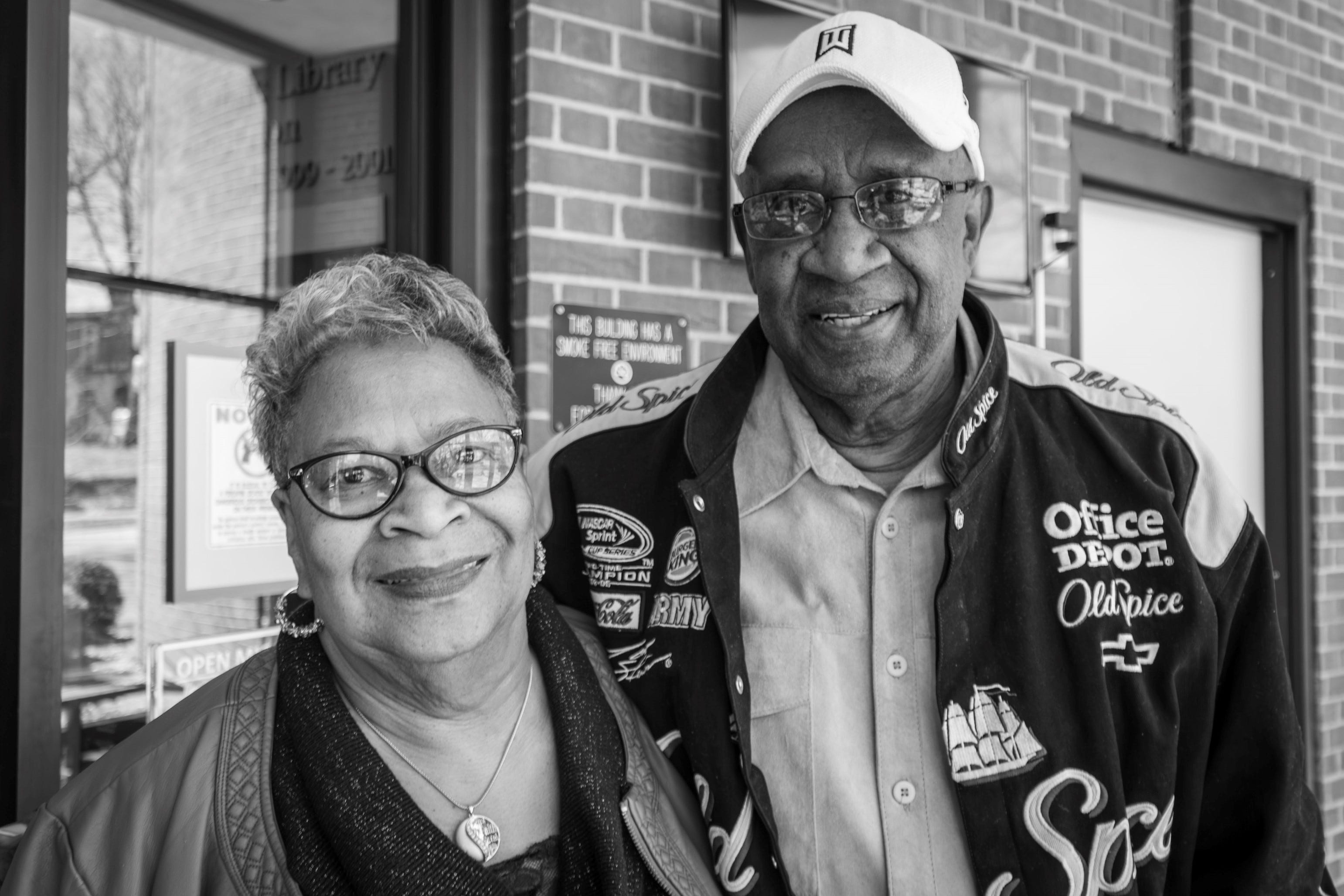
Gerri Lawson: I was the baby of the family. The youngest of eight children. My family farmed. We had about 180 acres out in the Argyle [Iowa] area. Most of our family were farmers that lived here in the southeast part [of Iowa]. There was a few that we had who lived in town. But our immediate families lived out in Argyle. . . . I lived there until I was almost in sixth grade.
It was after I moved to Keokuk that I found more discrimination than ever. Out in the country, we were all families working so hard to make a living that I guess we didn’t pay attention. . . . Maybe now and then there was someone who moved new to the area who had a problem with Blacks. But very few. All of our neighbors and things, we went to their house, they came to our house. . . . Even spent the night.
My mother died when I was fourteen months old, from a brain hemorrhage. So a lot of times during the summer, with my dad farming, my friend’s mother would come gather me up . . . and she’d say to my father, “Hermie, I’ll bring her back at some point.”
Jerry Lawson: And was she white?
Gerri Lawson: Yes.
- From interview by John McKerley, 2018. ILHOP.
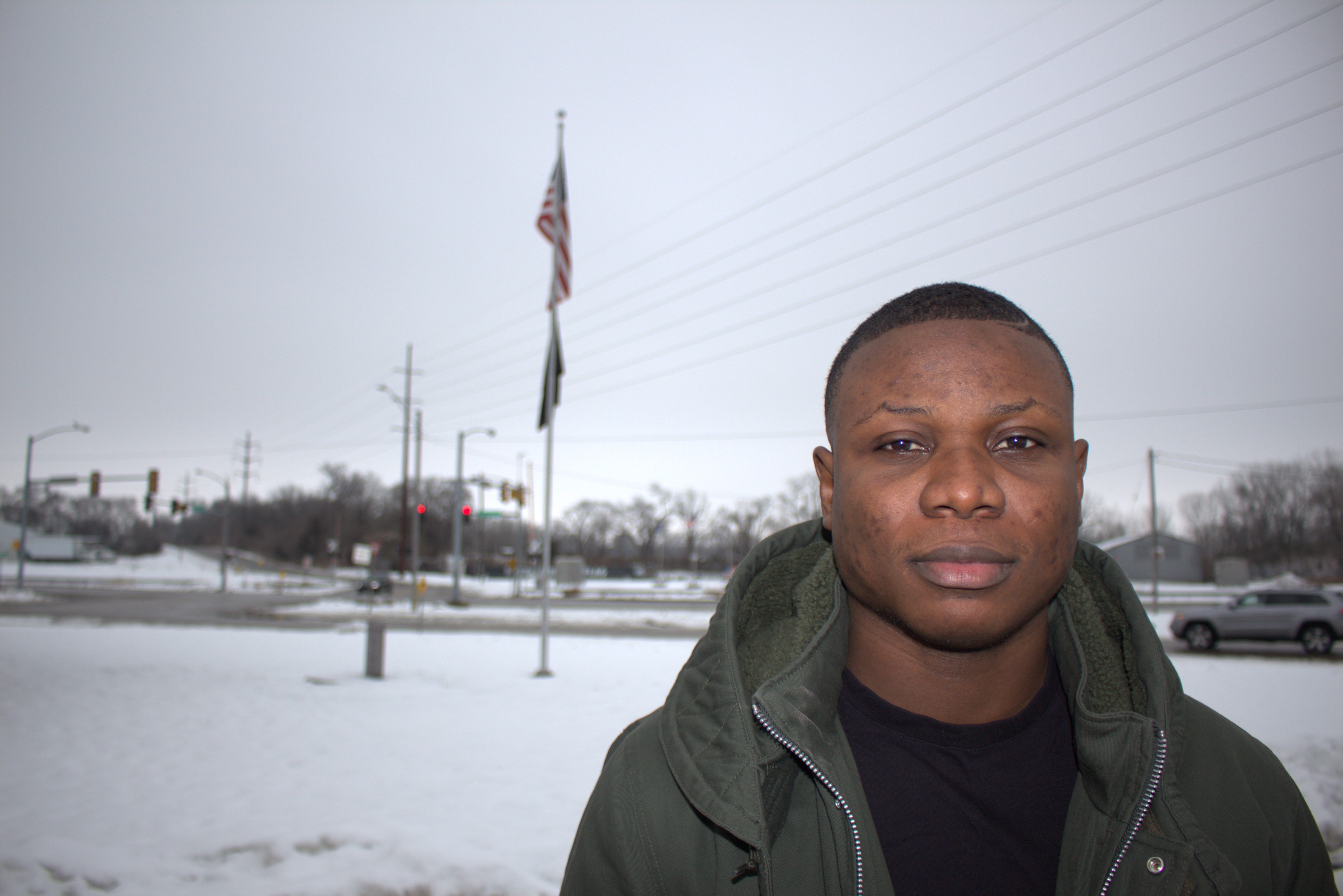
So [in 19]65—this is a story—some guys that used to work at the cotton press [in West Memphis, Arkansas, where I worked] used to come up to [Strawberry Point] Iowa to build silos. So in ‘65, twenty-two-years-old in June, I boarded a bus with very little money, coming to Iowa. Didn’t know anyone in Iowa. Didn’t really—except for probably seeing Iowa on a map—know anything about Iowa.
In Missouri, we had to change bus in St. Louis. Like I say, very little money. I remember some guy who I was talking to, he gave me a little money to get some food. I don’t know why, I always didn’t like to ask for help. Didn’t like to ask anybody. So anyway, after got on the bus headed to Iowa, my luggage got left behind. So when I came to Cedar Rapids [Iowa], it was late at night. The Cedar Rapids bus station downtown, I remember, they closed up at midnight, maybe before. But sitting there I listened to a guy—he was Caucasian—he said, “Coming here is like coming to the end of the world.”
The first place I went to was the county jail [in the hope of finding a place to stay overnight]. It [sic] was a guy there, he was African American. He was the jailer at the time. I was telling him I was trying to go to Strawberry Point. He said, “Why are you going there?” And I was telling him about “to build silos.” He said, “Well, there’s really not much else there. Why don’t you try to just stick around here to find some work?”
- Otis McGown. Otis stayed in Cedar Rapids and went on to become a leader of the Retail, Wholesale, and Department Store Union (RWDSU) in the city. Interview by John McKerley, 2017. ILHOP.

[When I was growing up in a small town outside of Ames, Iowa] junior or senior [year], we had an African American family move in. And some of the people in the school district—parents—come around and sign a petition to ask them to move. I didn’t really know them. I just talked to two of the boys.
- White Iowan Tom Jacobs. From an interview by John McKerley. ILHOP.
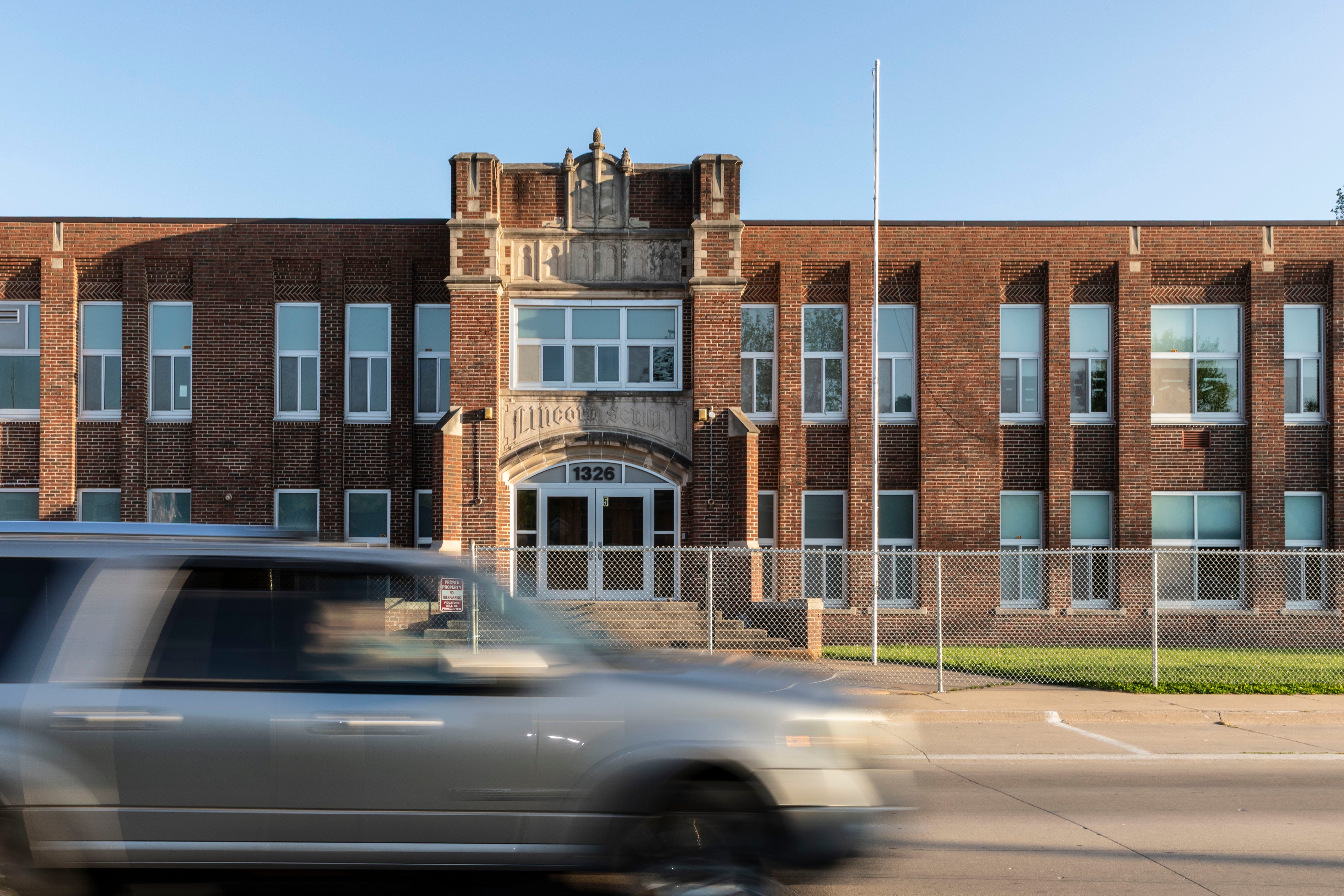
[After I had taught in Davenport, Iowa, I was told that] The Keokuk School District had a job for me. In fact, they had four openings. [This was in the mid 1960s.]
But when I came down and they saw me, they didn’t have any jobs. They had supposedly filled them. But [they said] I could sub for a year. I wasn’t about to do any subbing. I thought I was more than qualified—that I deserved a position. They talked a good talk, but they didn’t want to give me a job.
So, I went home—because, at the time, my stepfather was vice president of the NAACP [in Keokuk]. And he got on the phone and talked with [a local Episcopal priest] Father Baustian, who was the head of the Human Rights Commission here.
Some way or another, miraculously—it wasn’t even thirty minutes—they had a job opening. I went back down to their office, and they said they thought “they might be able to work me in.” That was okay, but I wasn’t doing any subbing.
So they gave me a job. I spend thirty-seven years there.
- Jacqueline Scott was the first Black teacher hired in Keokuk’s public schools in the twentieth century. Interview by John McKerley. ILHOP.
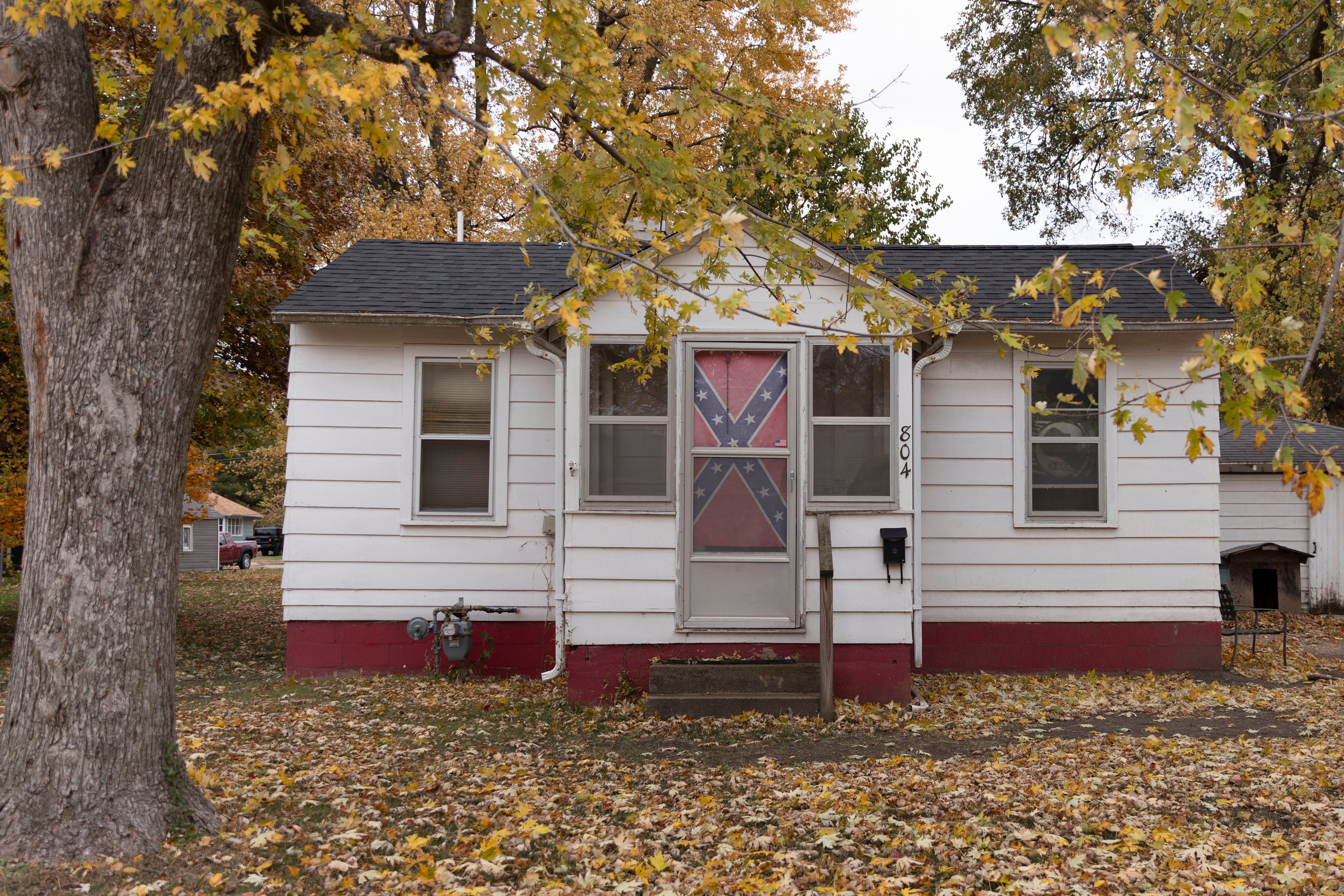
Look, [when I came to Iowa] I had a job that was making more money than I ever had before. It was the first place that I had my own apartment, and I could buy a house. So, I could really say that I grew up in Iowa, I matured in Iowa.
- Theresa Lawrence, a Black woman who was born in Chicago in 1957, and who later migrated to Clinton, Iowa, where she found factory work during the 1970s. From an interview by John McKerley. ILHOP.
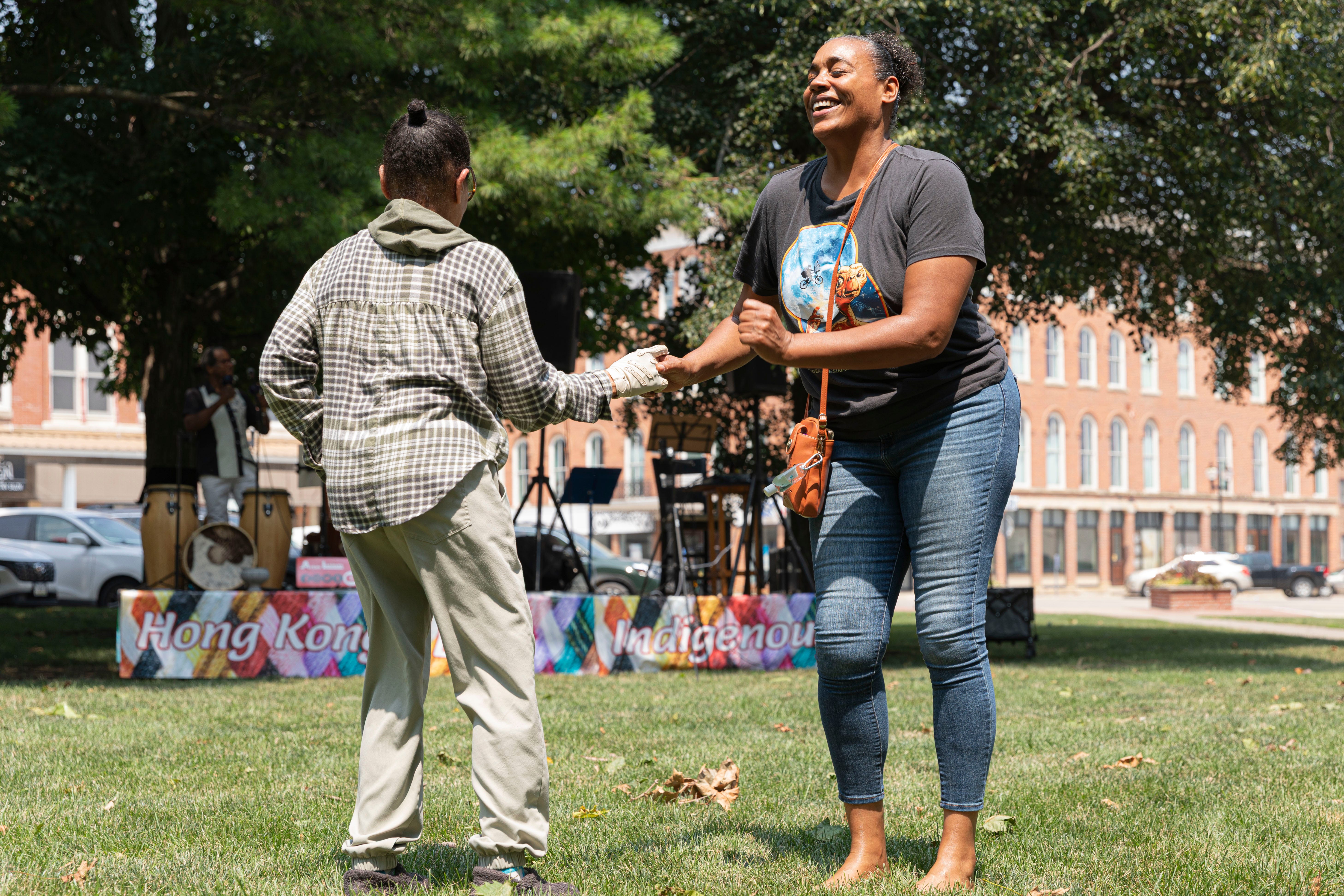
As we reached the high point of the bridge, a stretch of dreary rooftops widened on the horizon. I didn’t know what lay ahead of me, but I believed in myself. My deepest instincts told me I would not perish. Poverty and bigotry would still be around, but at last I could fight them on even terms. The significant thing was a choice of weapons with which to fight them most effectively.
- Gordon Parks (1912-2006), a Black multi-disciplinary artist from Fort Scott, Kansas. Selection from his book, A Choice of Weapons, originally published in 1965 (quoting here from 2010 reprint by the Minnesota Historical Society Press, p. 274).